Why Tampa Contractors Are Turning to Automation: A Local Perspective


Embracing Technological Advances
In recent years, the construction industry in Tampa has witnessed a significant shift towards automation. This trend is not just about keeping up with the latest technology; it's about enhancing efficiency and maintaining competitiveness in a rapidly evolving market. Local contractors are increasingly recognizing the benefits of integrating automation into their workflows.

Enhancing Efficiency and Productivity
One of the primary reasons Tampa contractors are turning to automation is to boost productivity. Automated systems can handle repetitive tasks with precision and speed, reducing the time and effort required from human workers. For instance, automated machinery in tasks such as bricklaying or demolition can significantly cut down project timelines.
Moreover, automation minimizes errors, ensuring that projects are completed accurately and on schedule. By streamlining processes, contractors can take on more projects and increase their profitability.
Addressing Labor Shortages
The construction industry in Tampa, much like other regions, faces a persistent labor shortage. Finding skilled laborers is becoming increasingly challenging, which can lead to project delays and increased costs. Automation provides a solution by filling the gap left by the lack of available workers.

Robotic systems and advanced software can perform tasks that would typically require multiple workers, allowing contractors to make the most of their existing workforce. This shift not only helps in maintaining project timelines but also in reducing labor costs.
Improving Safety Standards
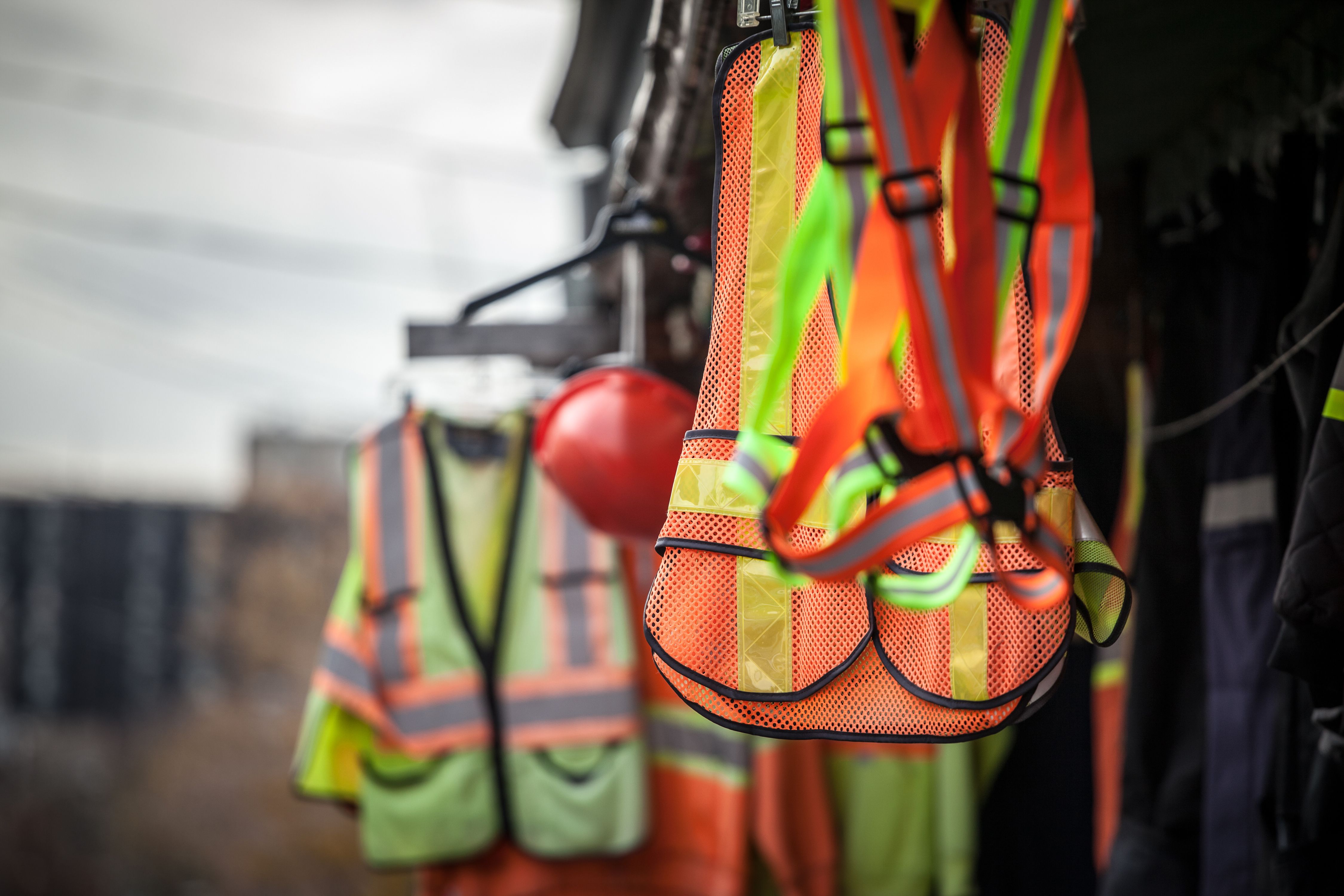
Safety is a critical concern in the construction industry, and automation offers significant improvements in this area. By using automated systems, contractors can minimize the need for workers to perform dangerous tasks, thus reducing the risk of accidents on site.
For example, drones can be used for site inspections, eliminating the need for workers to climb scaffolding or navigate hazardous areas. This not only protects workers but also ensures compliance with safety regulations.
Environmental Impact and Sustainability
Automation in construction also supports sustainability efforts. With precise control over machinery and materials, contractors can reduce waste and improve the environmental footprint of their projects. Automated systems help in optimizing resource use, ensuring that projects are completed with minimal environmental impact.
Furthermore, the ability to monitor and adjust processes in real-time leads to more efficient energy use, contributing to greener construction practices.
Future Prospects
The shift towards automation is just the beginning. As technology continues to evolve, Tampa contractors are likely to see even more advanced systems that can handle complex tasks with ease. Embracing these technologies will be key to staying ahead in a competitive industry.
Contractors who invest in automation today are setting themselves up for future success, ensuring they remain at the forefront of innovation in the construction sector.