The Ultimate Guide to Low-Code Tools for Contractor Workflow Management


Understanding Low-Code Tools
Low-code tools have revolutionized the way businesses manage workflows, especially for contractors. These platforms allow users to create applications with minimal coding, making it easier to streamline processes without extensive technical expertise. For contractors, this means more efficient project management, better communication, and improved resource allocation.
By leveraging low-code tools, contractors can automate routine tasks, reduce manual errors, and enhance collaboration across teams. The intuitive interfaces and drag-and-drop features make it accessible for anyone, regardless of their technical background.

Benefits of Low-Code Tools for Contractors
One of the key benefits of low-code platforms is their ability to accelerate project delivery. Contractors can quickly develop applications tailored to their specific needs without waiting for IT departments. This speed translates into faster project completion and increased client satisfaction.
Another advantage is cost-effectiveness. By reducing the need for specialized developers, contractors can save on labor costs while still achieving high-quality results. Additionally, low-code tools often come with built-in security features, ensuring that data is protected without the need for additional investment.

Features to Look For
When selecting a low-code tool for contractor workflow management, it's important to consider several features. Look for platforms that offer customizable templates, as these can significantly reduce setup time. Integration capabilities with existing systems are also crucial, ensuring seamless data flow across different applications.
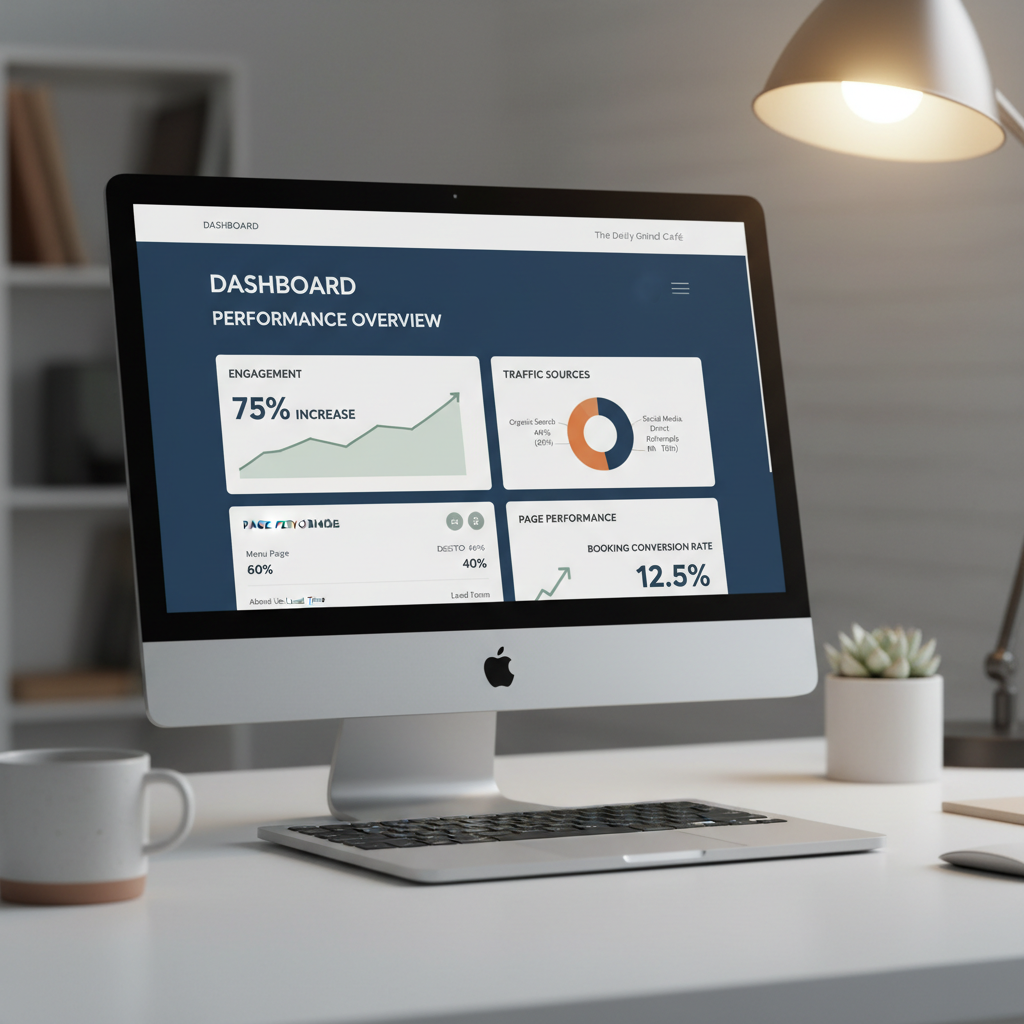
Other valuable features include real-time analytics and reporting, which provide insights into project performance and help in decision-making. User-friendly dashboards can further enhance visibility, allowing contractors to monitor progress and make adjustments as needed.
Popular Low-Code Platforms
Several low-code platforms have gained popularity among contractors. Some of the top contenders include Mendix, OutSystems, and Appian. Each offers unique features tailored to different needs, so it's essential to assess which platform aligns best with your specific requirements.
Mendix is known for its ease of use and robust integration options, while OutSystems excels in scalability and performance. Appian, on the other hand, is favored for its strong process automation capabilities. Evaluating these options can help contractors choose the right tool for their workflow management.

Implementing Low-Code Solutions
Implementing low-code solutions involves several steps. Begin with identifying the key areas of your workflow that require optimization. Once you've pinpointed these areas, collaborate with your team to develop a plan for integration. It's crucial to provide adequate training to ensure everyone is comfortable using the new system.
Continuous evaluation is also important. Regularly assess the performance of the low-code tools and make adjustments as necessary. This iterative approach ensures that the platform continues to meet your evolving needs and maximizes its benefits.

Conclusion
Low-code tools have become indispensable for contractors looking to enhance their workflow management. By offering a combination of speed, cost-efficiency, and flexibility, these platforms empower businesses to stay competitive in a rapidly changing market. Embracing low-code technology can lead to significant improvements in productivity and client satisfaction, making it a worthwhile investment for any contractor.