The Future of Trade Contractor Workflows: Trends and Innovations


Understanding the Current Landscape of Trade Contractor Workflows
The construction industry is in the midst of a significant transformation, driven by technological advancements and changing market demands. Trade contractors, who play a crucial role in this sector, are experiencing a shift in how they manage workflows. With increasing complexity in projects, the need for efficient workflow management has never been more critical.
Traditionally, trade contractors relied heavily on manual processes, which often led to inefficiencies and errors. However, the advent of digital tools is changing this scenario, enabling contractors to streamline operations and enhance productivity.
Embracing Digital Transformation
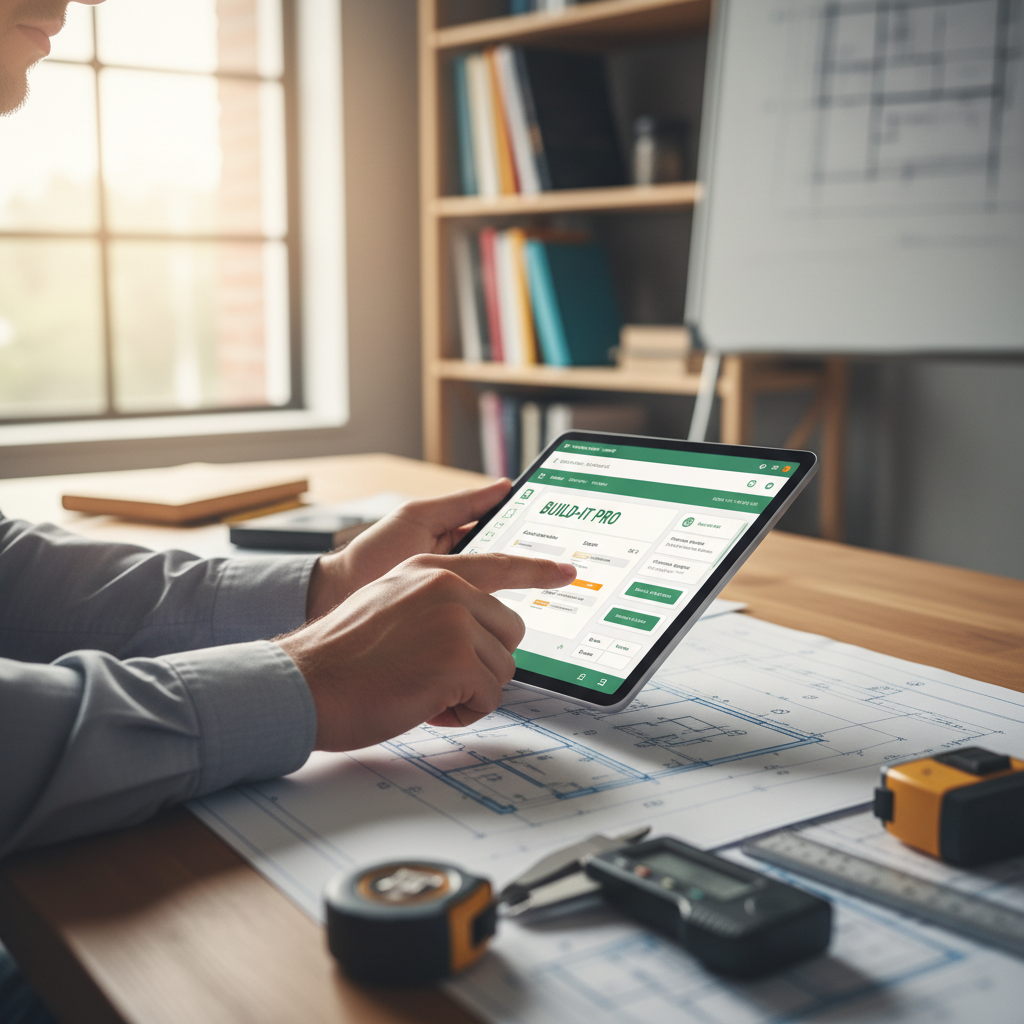
One of the most significant trends reshaping trade contractor workflows is digital transformation. Technological solutions, such as Building Information Modeling (BIM) and project management software, are becoming standard. These tools facilitate better communication, reduce errors, and improve project outcomes.
BIM, in particular, allows for a more collaborative approach by providing a digital representation of the physical and functional characteristics of a facility. Contractors can visualize every aspect of a project, leading to more accurate planning and execution.
Automation and AI Integration
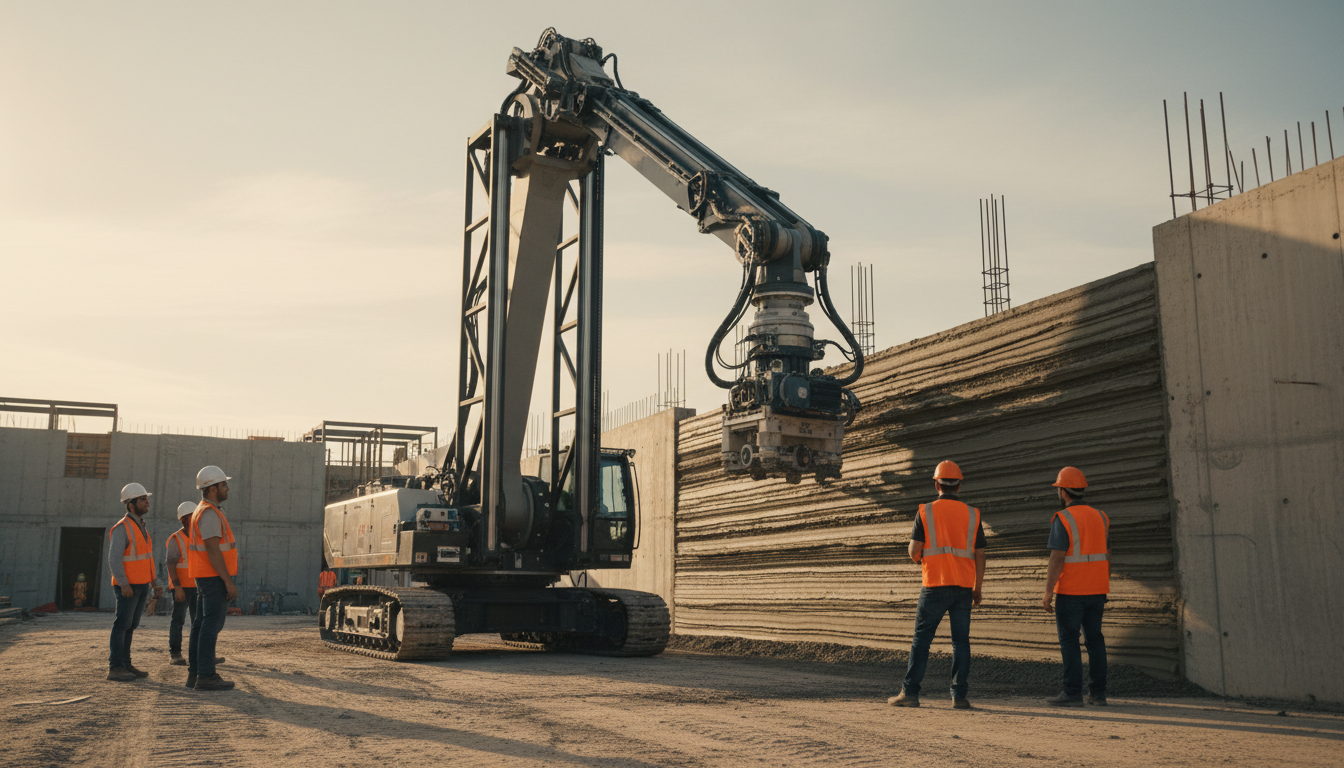
Automation and artificial intelligence (AI) are also making their mark in the construction industry. Automated scheduling and AI-powered analytics help contractors predict potential issues and optimize resources. This proactive approach minimizes delays and cost overruns, contributing to more successful project completions.
The Role of Mobile Technology
Mobile technology is another innovation that is transforming trade contractor workflows. With the use of smartphones and tablets, contractors can access project information, communicate with teams, and manage tasks on the go. This level of accessibility ensures that information is always up-to-date and readily available.
Moreover, mobile apps designed specifically for construction management allow for real-time updates and seamless collaboration among team members, regardless of their location.
Sustainability and Green Building Practices
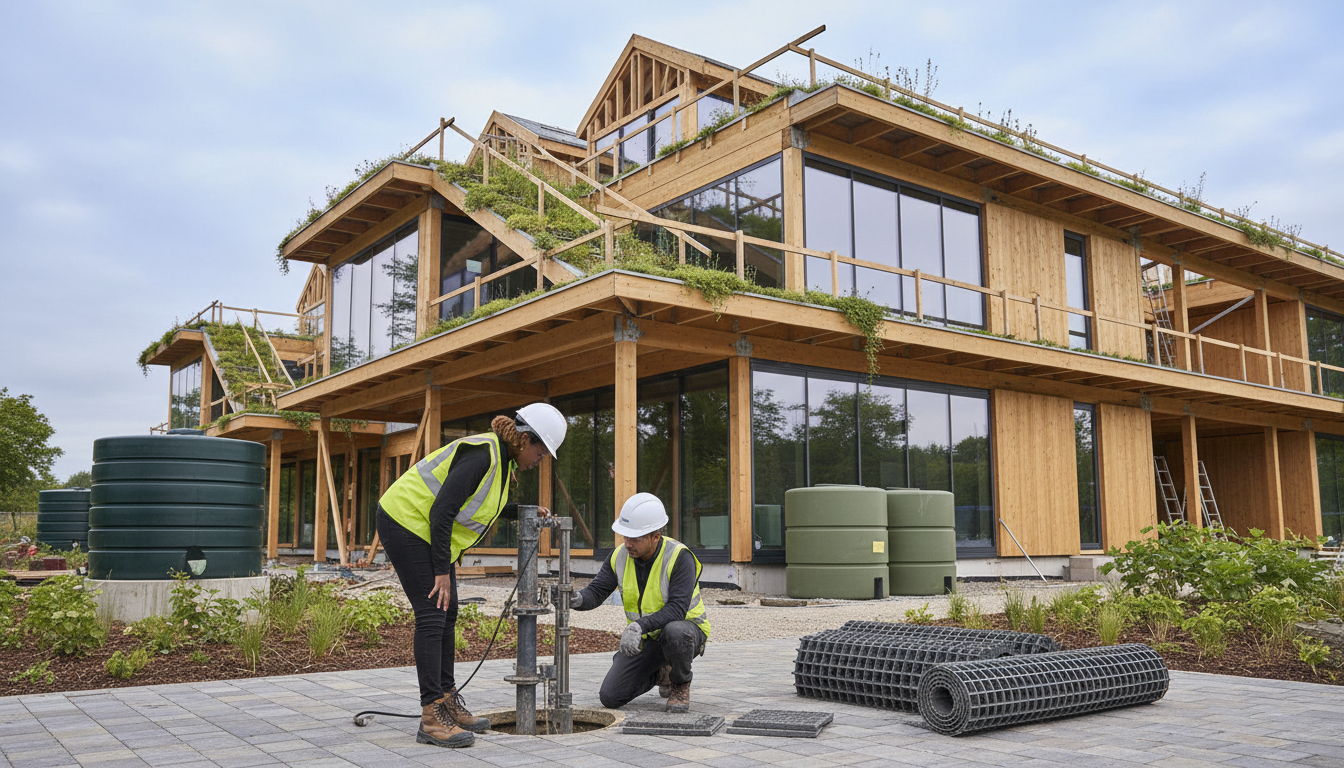
The focus on sustainability is influencing the way trade contractors approach their workflows. Green building practices are becoming more prevalent, and contractors are integrating sustainable materials and methods into their projects. This shift not only meets regulatory requirements but also appeals to environmentally conscious clients.
Future Trends to Watch
Looking ahead, several trends are poised to further influence trade contractor workflows. These include the increasing use of drones for site inspections, the implementation of augmented reality (AR) for design visualization, and the adoption of blockchain technology for secure and transparent transactions.
As these technologies continue to evolve, trade contractors who embrace innovation will be better positioned to thrive in a competitive market.
Overcoming Challenges
Despite the promising advancements, trade contractors face challenges in adopting new technologies. Resistance to change, high implementation costs, and the need for skilled personnel are common hurdles. However, investing in training and education can help overcome these obstacles, ensuring a smoother transition to modern workflows.
Conclusion
The future of trade contractor workflows is undeniably intertwined with technological innovation. By embracing digital tools, automation, and sustainable practices, contractors can enhance efficiency and deliver higher-quality projects. Staying informed about emerging trends and remaining adaptable will be key to success in this evolving landscape.