Streamlining Invoicing and Follow-Ups: A Contractor's Guide to Automation


In the fast-paced world of contracting, efficiency is key. Contractors are often juggling multiple projects, clients, and deadlines. One area where efficiency can make a significant difference is in invoicing and follow-ups. By embracing automation, contractors can streamline these processes, saving both time and reducing errors.

The Benefits of Automation in Invoicing
Automation in invoicing offers numerous advantages. Firstly, it reduces the chances of human error. When invoices are prepared manually, there's a higher likelihood of mistakes, which can lead to payment delays. Automated systems ensure accuracy, thus minimizing disputes and enhancing cash flow.
Moreover, automated invoicing saves time. Contractors no longer need to spend hours creating and sending invoices. Instead, they can set up recurring invoices for regular clients, ensuring timely billing without the repetitive workload.
Choosing the Right Invoicing Software
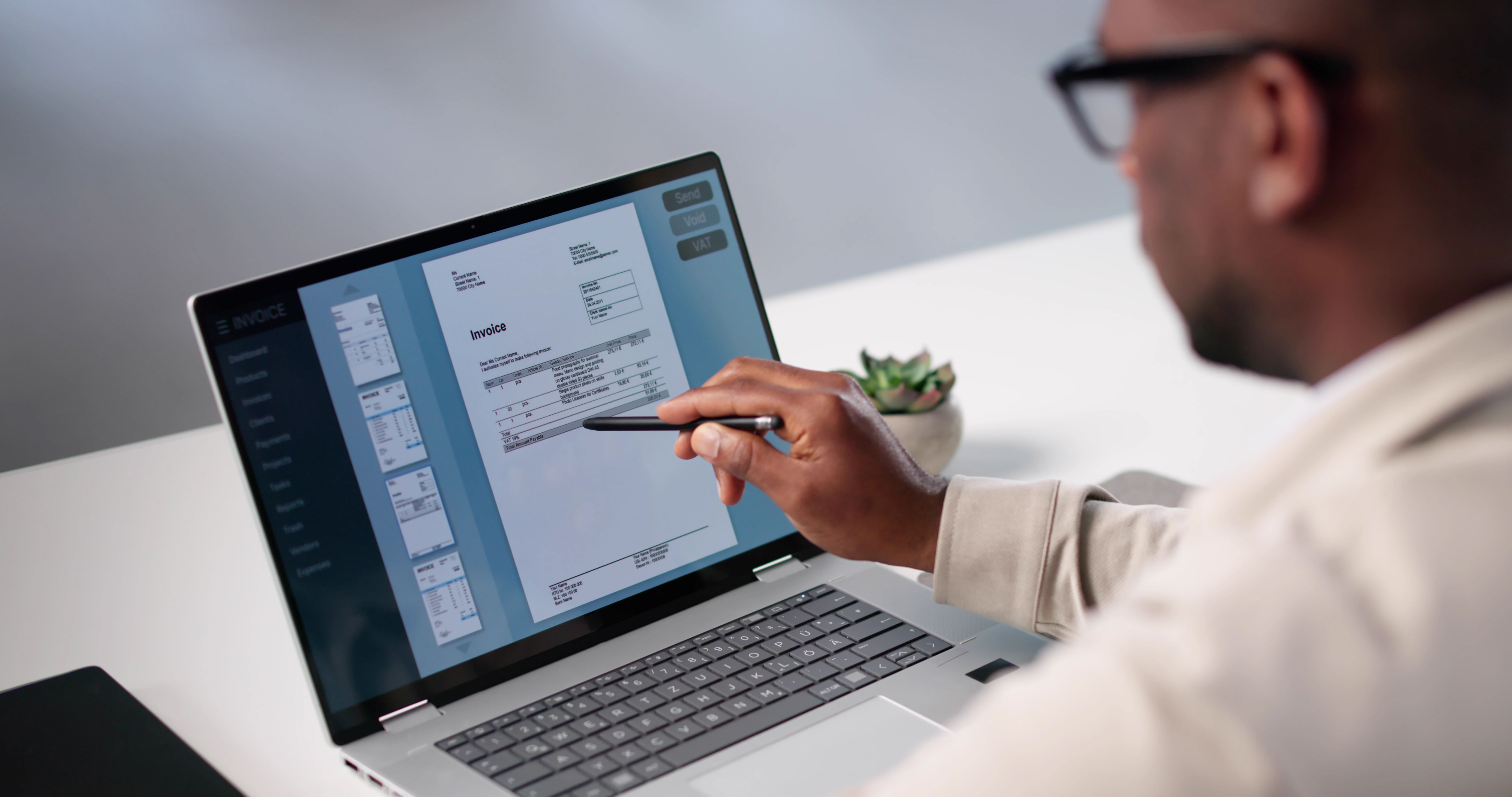
Selecting the right invoicing software is crucial. Contractors should look for a solution that integrates seamlessly with their existing systems. Features like customizable templates, multi-currency support, and tax calculations can make the process smoother and more efficient.
Additionally, consider software that offers mobile access. This allows contractors to manage invoices on-the-go, ensuring they can send and track invoices from anywhere, at any time.

Streamlining Follow-Ups with Automation
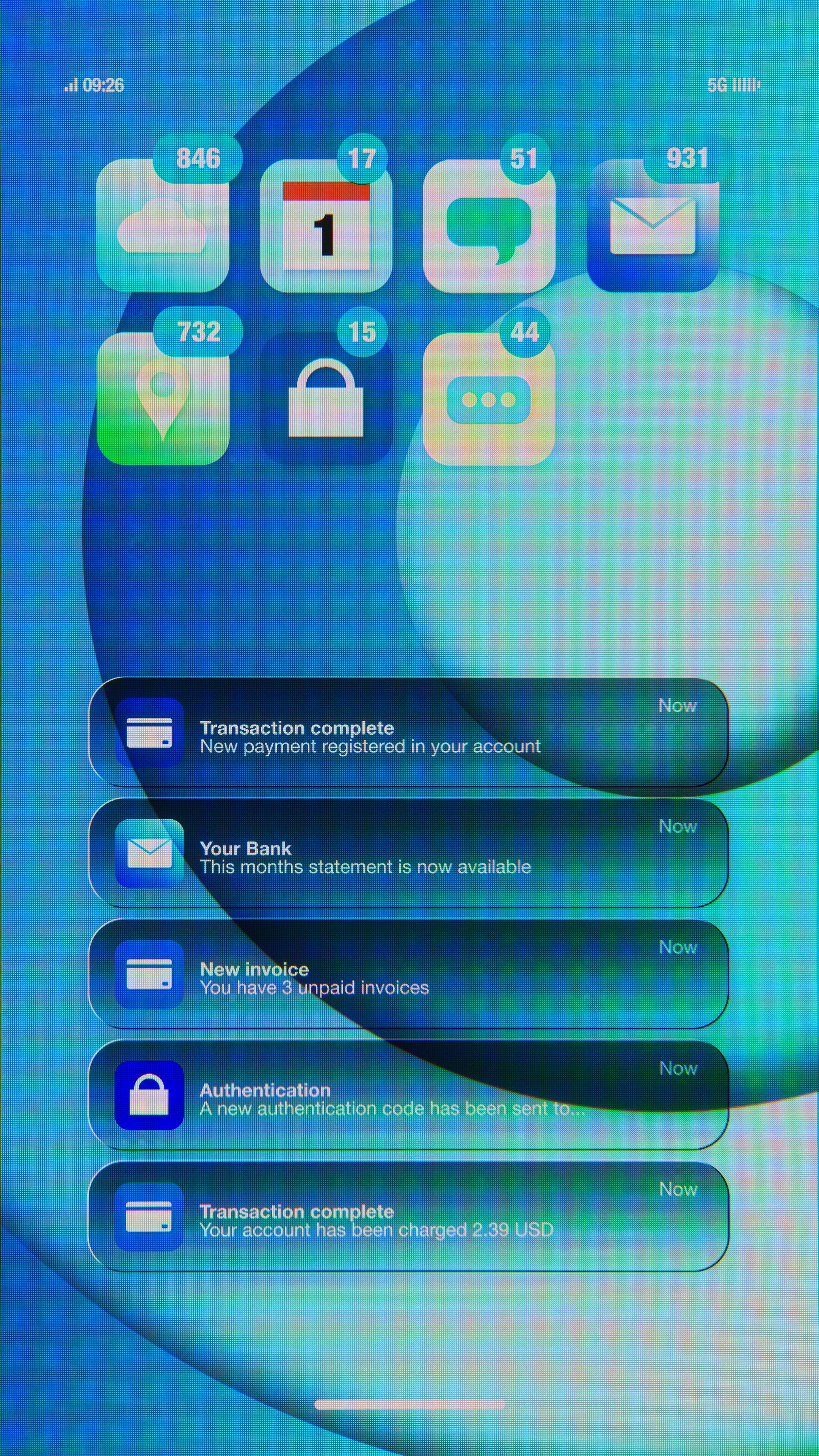
Beyond invoicing, follow-ups are an essential part of ensuring timely payments. Automated follow-up systems can send reminders to clients about upcoming or overdue payments. This ensures that contractors maintain a steady cash flow without having to manually track each invoice.
Automated follow-ups can be customized to fit the contractor's communication style. Whether it's a gentle reminder or a more formal notice, these systems allow for personalization while maintaining professionalism.
Integrating CRM Tools
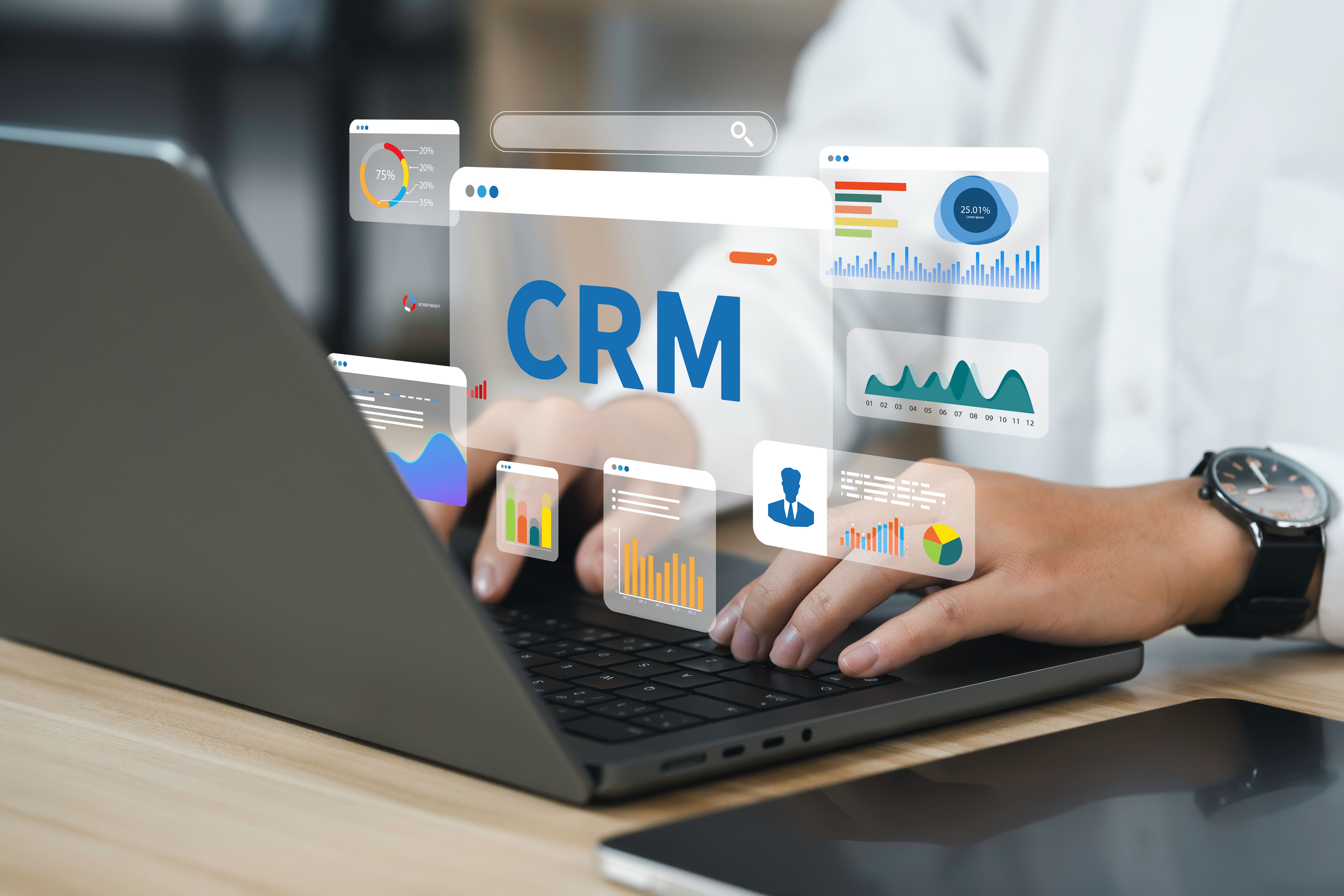
Combining invoicing automation with Customer Relationship Management (CRM) tools can provide a comprehensive view of client interactions. This integration helps in tracking payment histories, client preferences, and communication records, enhancing the contractor-client relationship.
CRM tools also allow contractors to segment clients based on various criteria, enabling more targeted follow-up strategies. This personalized approach can improve client satisfaction and prompt payments.
Final Thoughts
Incorporating automation into invoicing and follow-ups can transform the way contractors manage their finances. By reducing manual work, minimizing errors, and ensuring timely payments, contractors can focus more on their core business activities.
The investment in automation tools pays off in the long run, leading to increased efficiency, better client relationships, and improved cash flow. As the contracting industry becomes increasingly competitive, leveraging technology is not just beneficial—it's essential.