How Automation Can Transform Your Construction Business


Introduction to Automation in Construction
The construction industry, historically rooted in manual labor, is experiencing a transformation through automation. As technology advances, construction companies are beginning to leverage automation to improve efficiency, reduce costs, and enhance safety. This shift not only streamlines operations but also opens new opportunities for growth and innovation.

Enhancing Efficiency with Automation
One of the most significant advantages of automation in construction is the improvement in efficiency. Automated machinery and tools can perform repetitive tasks faster and with greater precision than human workers. This leads to increased productivity and allows skilled workers to focus on more complex tasks that require human intelligence and creativity.
For example, automated bricklaying robots can lay bricks quickly and accurately, reducing the time and labor needed for traditional methods. Similarly, drones equipped with cameras and sensors can survey construction sites more efficiently, providing valuable data for project management.
Cost Reduction and Resource Management
Automation can significantly reduce costs in construction by minimizing waste and optimizing resource use. Automated systems can monitor inventory and manage materials more effectively, ensuring that projects are not delayed due to shortages or excess supplies.

Additionally, automated machinery can operate for longer hours without fatigue, reducing labor costs and increasing project timelines. By investing in automation, construction companies can achieve better financial outcomes and allocate resources more strategically.
Improving Safety on Construction Sites
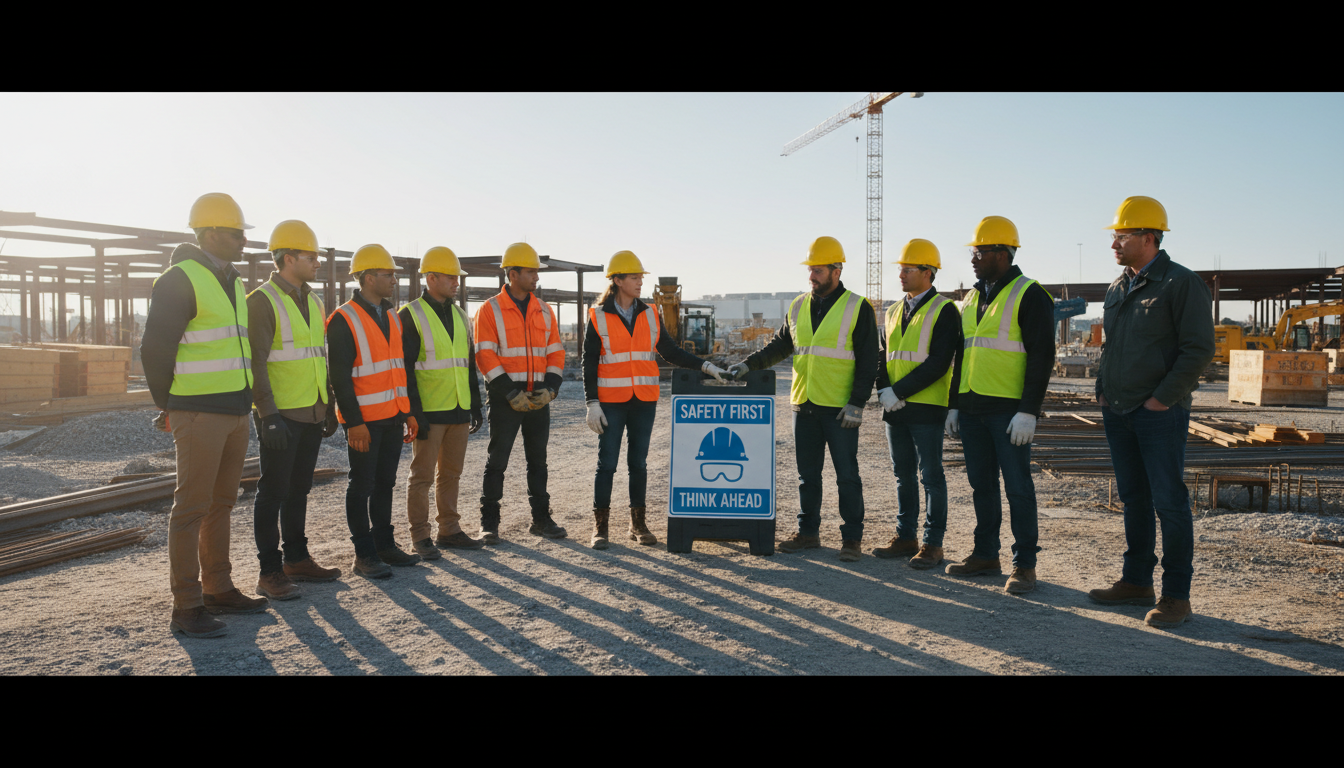
Safety is a paramount concern in the construction industry. Automation can play a crucial role in enhancing safety by reducing the need for human workers to engage in hazardous tasks. Machines can handle dangerous activities, such as heavy lifting or working at heights, minimizing the risk of accidents and injuries.
Moreover, automated systems can monitor sites in real-time, identifying potential safety hazards and alerting managers to take corrective actions. This proactive approach to safety helps create a more secure working environment for all employees.
Fostering Innovation and Growth
Embracing automation in construction not only improves existing processes but also fosters innovation. Companies that adopt advanced technologies are better positioned to explore new construction methods, materials, and designs. This innovation can lead to the development of sustainable building practices and smart infrastructure.
Furthermore, automation can attract a new generation of tech-savvy workers who are excited about working with cutting-edge technology. This infusion of talent can drive further innovation and ensure the long-term success of construction businesses.
Conclusion
Automation is poised to transform the construction industry by enhancing efficiency, reducing costs, improving safety, and fostering innovation. As companies continue to adopt these technologies, they will not only improve their bottom line but also contribute to a more sustainable and secure future for the construction sector.