How AI-Driven Agents Are Transforming Contractor Workflows


Introduction to AI-Driven Agents in Contracting
In recent years, the integration of AI-driven agents into contractor workflows has become a game-changer. These intelligent systems are designed to enhance efficiency, streamline processes, and ultimately transform how contractors operate. By leveraging AI technologies, contractors can now automate repetitive tasks, improve project management, and ensure higher accuracy in their work.
AI-driven agents are not just a trend but a necessity for contractors looking to stay competitive in today's fast-paced environment. They offer a multitude of benefits that can significantly impact productivity and project outcomes.
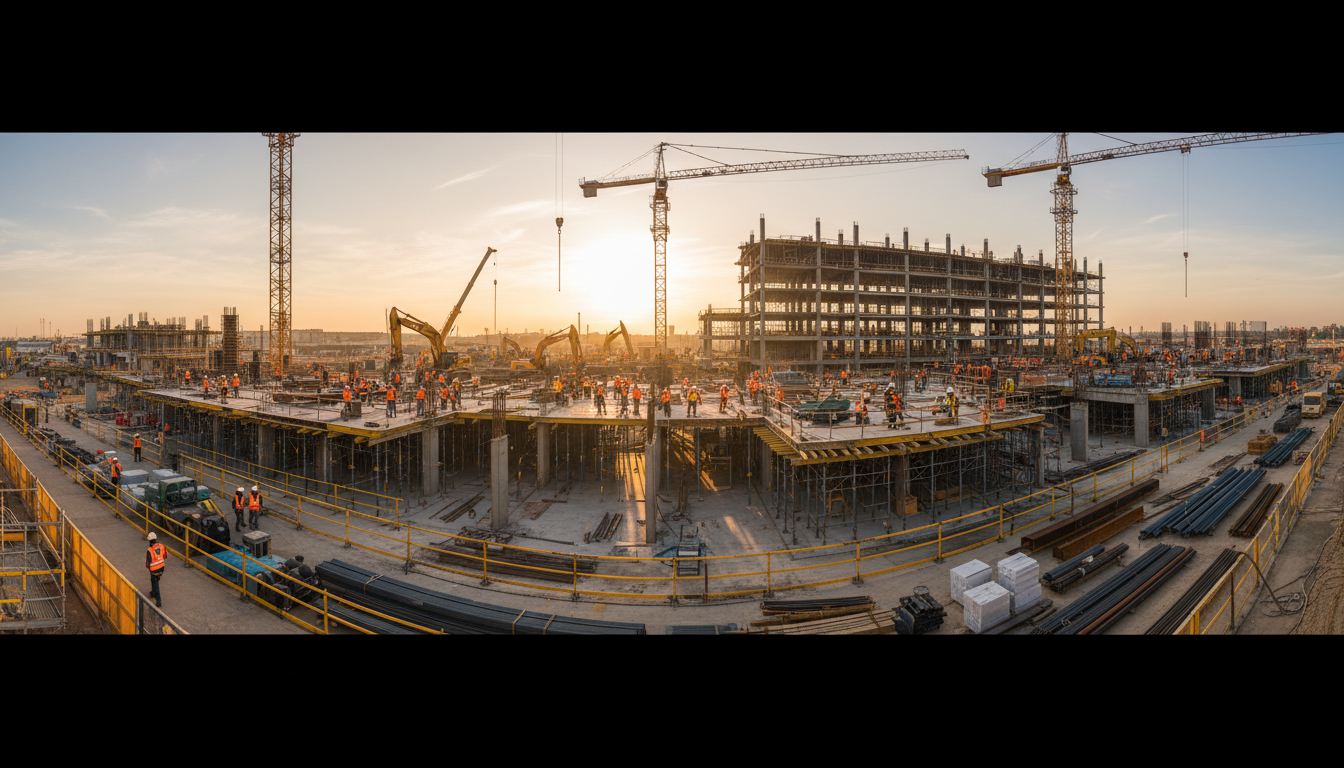
Enhancing Project Management
One of the most significant advantages of AI-driven agents is their ability to improve project management. Contractors can use these tools to gather and analyze data, forecast project timelines, and allocate resources more effectively. This results in reduced delays and cost overruns, ensuring projects are completed on time and within budget.
AI systems can also facilitate better communication among team members by providing real-time updates and insights. This transparency allows for more informed decision-making, leading to smoother project execution and collaboration.
Automating Routine Tasks
Contractors often face numerous routine tasks that can be time-consuming and prone to human error. AI-driven agents can automate these tasks, such as scheduling, invoicing, and data entry, freeing up valuable time for contractors to focus on more strategic activities.
By automating mundane tasks, contractors can improve their operational efficiency and reduce the likelihood of errors, which can lead to costly rework and delays.

Improving Safety and Compliance
Safety is a top priority in the contracting industry, and AI-driven agents are playing a crucial role in enhancing safety protocols. These tools can monitor job sites through sensors and cameras, identifying potential hazards and ensuring compliance with safety regulations.
By proactively addressing safety concerns, contractors can minimize risks and create a safer working environment for their teams. This not only protects workers but also reduces the likelihood of costly legal issues and fines.
Optimizing Resource Allocation
AI-driven agents excel in resource allocation by analyzing data to determine the most efficient use of materials and labor. This optimization leads to reduced waste, cost savings, and improved project sustainability.
Contractors can rely on AI to make data-driven decisions about resource distribution, ensuring that every aspect of a project is executed with precision and efficiency.

Conclusion: The Future of AI in Contracting
The integration of AI-driven agents into contractor workflows is not just enhancing current operations but also shaping the future of the industry. As AI technology continues to evolve, contractors will find even more ways to leverage these tools for competitive advantage.
By embracing AI-driven agents, contractors can stay ahead of the curve, deliver better results, and achieve greater success in an increasingly complex and demanding market.