Debunking Myths About Automation in Specialty Trades


Understanding Automation in Specialty Trades
Automation has become a buzzword across various industries, and specialty trades are no exception. While some professionals embrace this technological advancement, others remain skeptical. It's essential to debunk common myths surrounding automation to fully understand its potential and limitations.

Myth 1: Automation Replaces Human Workers
One of the most prevalent myths is that automation leads to massive job losses. In reality, automation often complements human labor rather than replacing it. By handling repetitive and mundane tasks, automation allows skilled tradespeople to focus on more complex and creative aspects of their work.
For instance, in the construction industry, automated machines can manage heavy lifting and precise measurements, enabling workers to concentrate on intricate details that require human expertise and creativity.
Myth 2: Automation Is Too Expensive for Small Businesses
Another misconception is that automation is only affordable for large corporations. However, the cost of automation solutions has decreased significantly over the years. Many small to medium-sized businesses in specialty trades can now access affordable tools and technologies that streamline operations and boost efficiency.
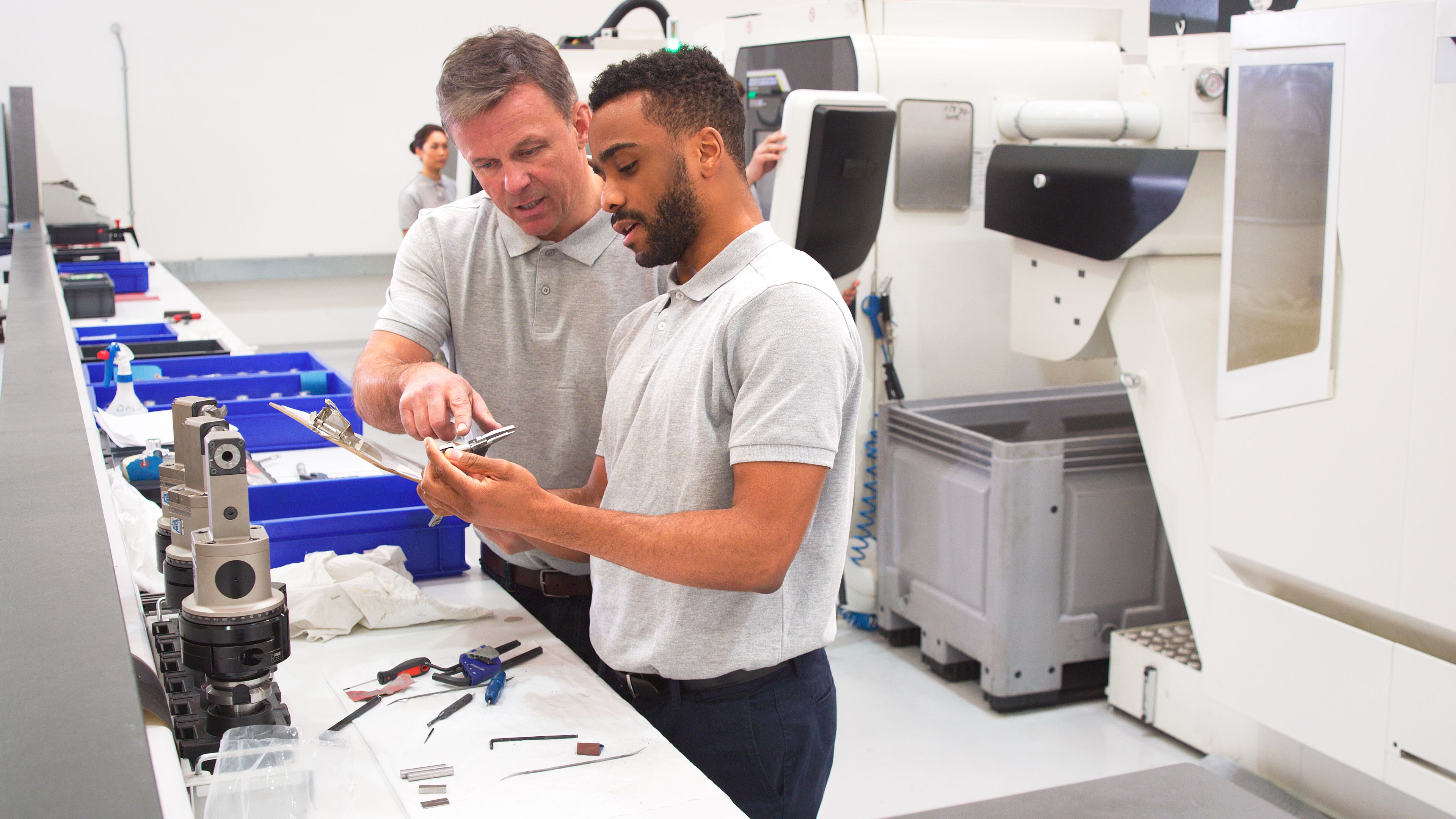
Investing in automation can result in long-term savings by reducing errors, increasing productivity, and minimizing waste, making it a worthwhile consideration for businesses of all sizes.
Myth 3: Automation Sacrifices Quality
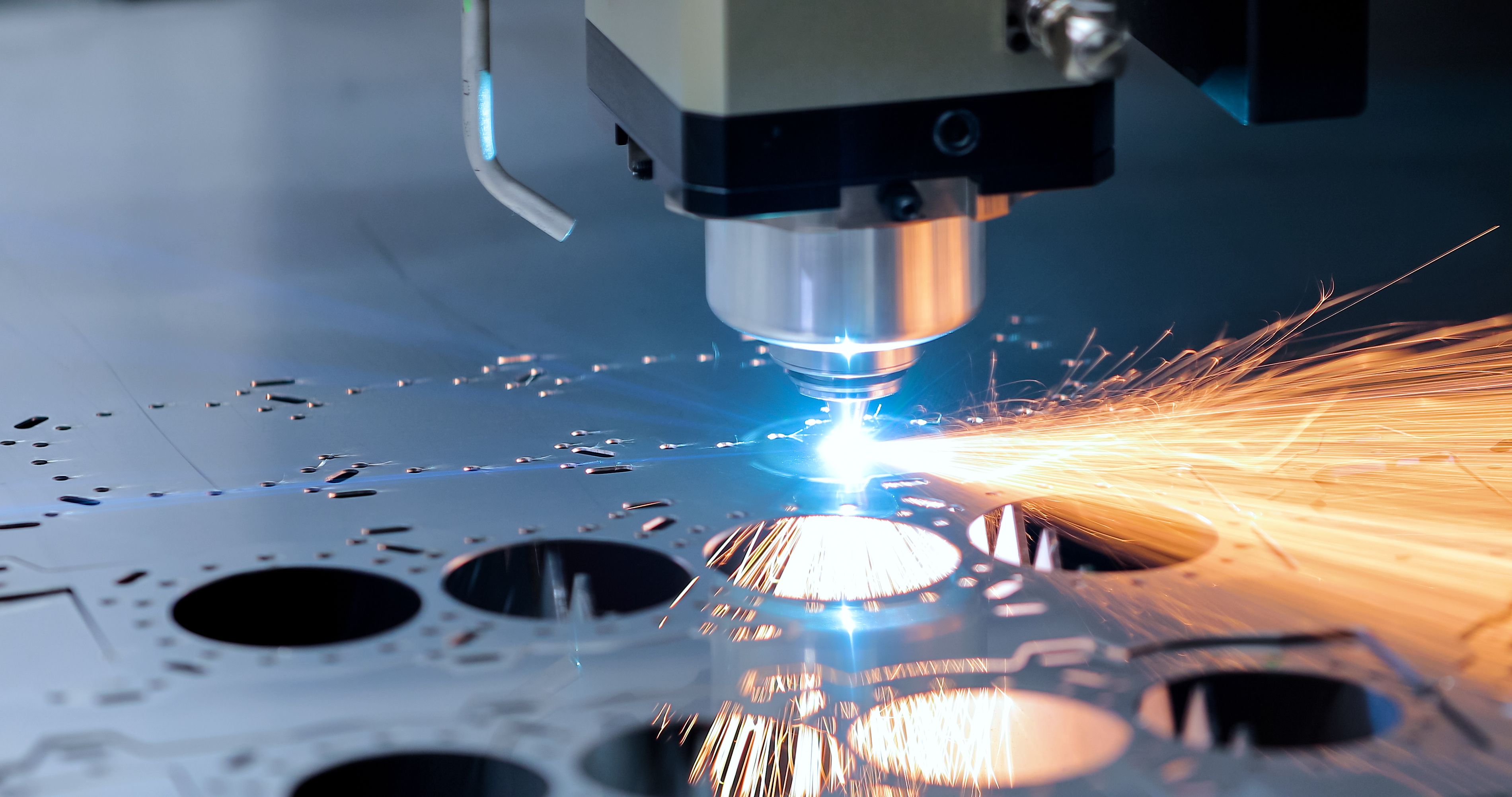
There is a belief that automation leads to a decline in quality. However, when implemented correctly, automation can enhance quality by ensuring consistency and precision. Automated systems can perform repetitive tasks with high accuracy, reducing the likelihood of human error.
In specialty trades like woodworking or metal fabrication, automation can help maintain uniformity and precision in products, which might be challenging to achieve manually, especially at scale.
Myth 4: Automation Is Too Complex to Implement
Some tradespeople hesitate to adopt automation due to perceived complexity. While the initial setup may require time and training, modern automation solutions are increasingly user-friendly. Many tools come with intuitive interfaces and comprehensive support to simplify the transition.
Moreover, training programs and resources are often available to help workers adapt, ensuring that the integration of automation is as seamless as possible.
Embracing the Future
Understanding the realities of automation in specialty trades is crucial for businesses aiming to remain competitive. By debunking these myths, companies can make informed decisions about integrating technology into their operations.
Ultimately, automation is not about replacing human talent but enhancing it. By embracing these tools, specialty trades can achieve greater efficiency, quality, and innovation, paving the way for a more productive future.