Debunking Myths About Automation in Construction


Understanding Automation in Construction
Automation in construction has been a hot topic recently, with many misconceptions surrounding its role and impact. While some view it as the future of the industry, others are skeptical about its benefits. This blog post aims to debunk some of the most common myths about automation in construction.
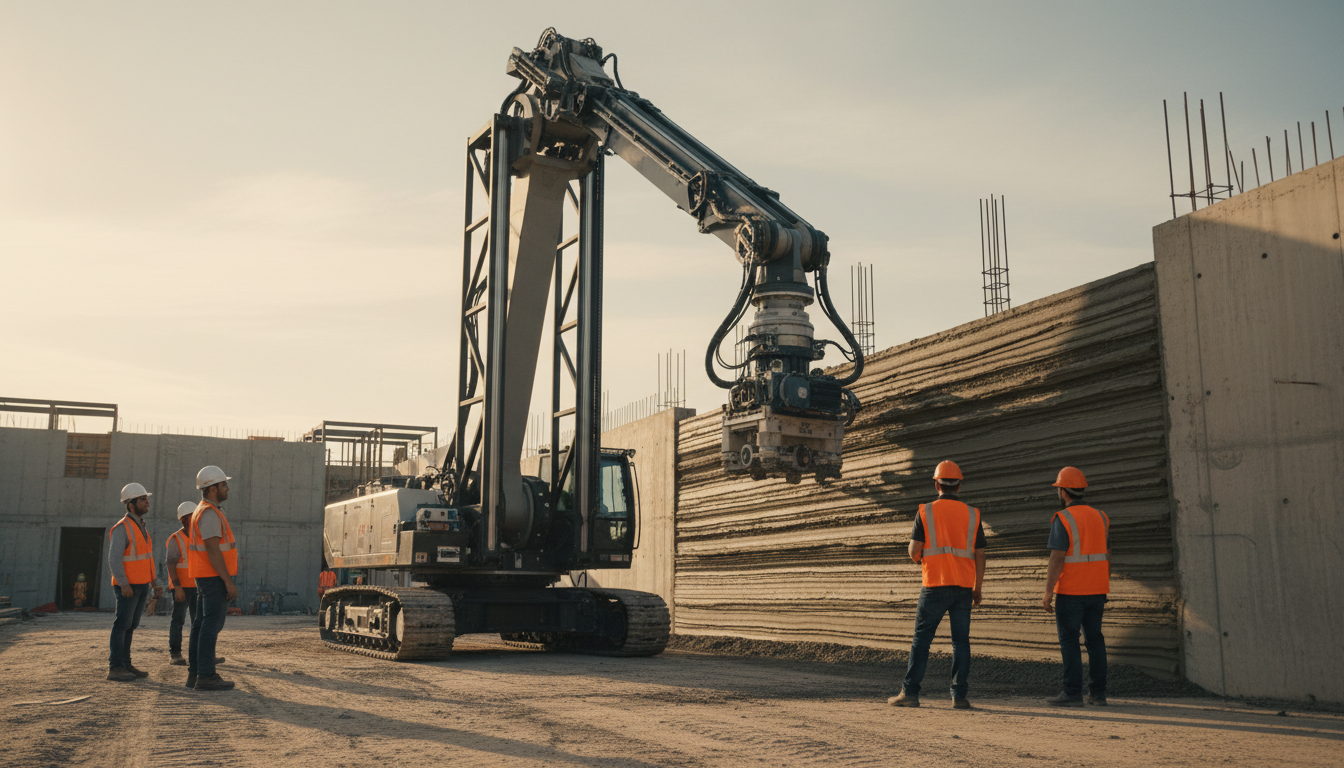
Myth 1: Automation Eliminates Jobs
One of the biggest myths is that automation will lead to massive job losses. In reality, automation is more about enhancing productivity and efficiency rather than replacing human labor. It handles repetitive and dangerous tasks, allowing workers to focus on more complex and skilled activities.
According to industry experts, automation can create new job opportunities by requiring a workforce skilled in technology and machinery maintenance. This transition might necessitate training and upskilling, but it ultimately enriches the industry.
Myth 2: Automation Is Too Expensive
Many believe that automation technologies are prohibitively expensive, making them inaccessible to small and medium-sized businesses. However, this perception is changing as technology becomes more affordable and scalable. Initial investments might be significant, but the long-term savings in labor costs and enhanced efficiency often outweigh the initial costs.

Moreover, automation can help companies meet deadlines more effectively and reduce errors, translating into cost savings and a higher return on investment.
Myth 3: Automation Reduces Job Safety
Contrary to the belief that automation can compromise safety, it actually enhances it. By taking over hazardous tasks, machines reduce the risk of human injury. Automated systems can also monitor work environments for potential hazards, contributing to a safer workplace.
For example, drones can inspect high-risk areas, and robotic systems can handle toxic materials, minimizing human exposure to dangerous conditions.
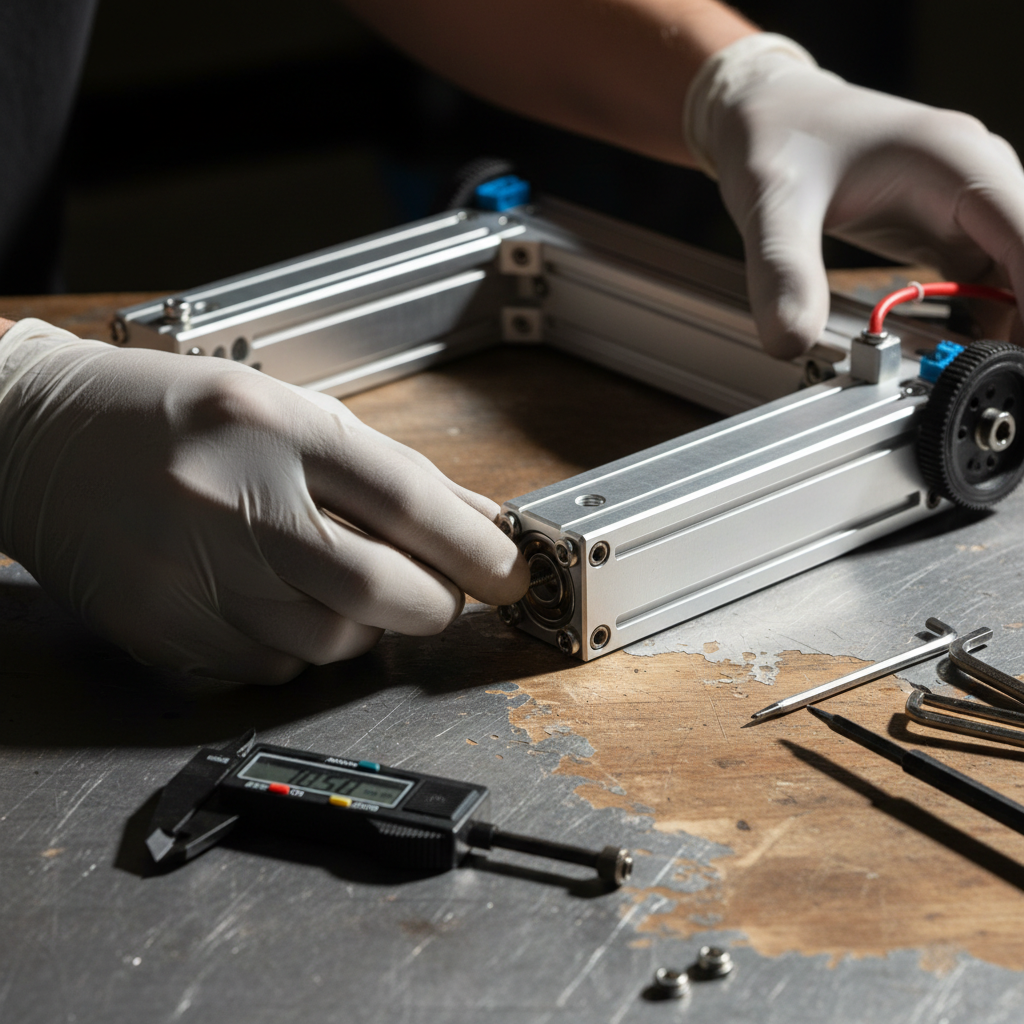
Myth 4: Automation Is Only for Large Projects
There is a common misconception that automation is suitable only for large-scale projects. In truth, automation technologies can be adapted to projects of all sizes, improving efficiency and precision across the board.
Small projects can benefit from automated tools that streamline processes, such as 3D printing for custom components or software that optimizes resource management.
The Future of Automation in Construction
As the construction industry continues to evolve, embracing automation can lead to more innovative, efficient, and safer work environments. By debunking these myths, we can better understand how automation serves as an ally rather than an adversary.
With a clear perspective on the realities of automation, construction professionals can make informed decisions that foster growth and resilience in a rapidly changing landscape.