A Guide to the Latest Trends in Contractor Automation


Introduction to Contractor Automation
The construction industry is constantly evolving, and one of the most significant advancements in recent years is the rise of contractor automation. Automation technologies are transforming how contractors manage projects, streamline operations, and enhance productivity. In this guide, we will explore the latest trends in contractor automation and how they are reshaping the industry.
Embracing Robotics and Drones
Robotics and drones have become integral to construction sites. Robots are being used for tasks like bricklaying, welding, and even painting, which reduces the need for manual labor and increases precision. Drones, on the other hand, are used for aerial surveys and inspections, offering a bird's-eye view of construction projects to monitor progress and ensure safety compliance.
Benefits of Robotics and Drones
- Increased Efficiency: Complete tasks faster and with greater accuracy.
- Cost Savings: Reduce labor costs and minimize human error.
- Enhanced Safety: Perform dangerous tasks without putting workers at risk.
Adopting Building Information Modeling (BIM)
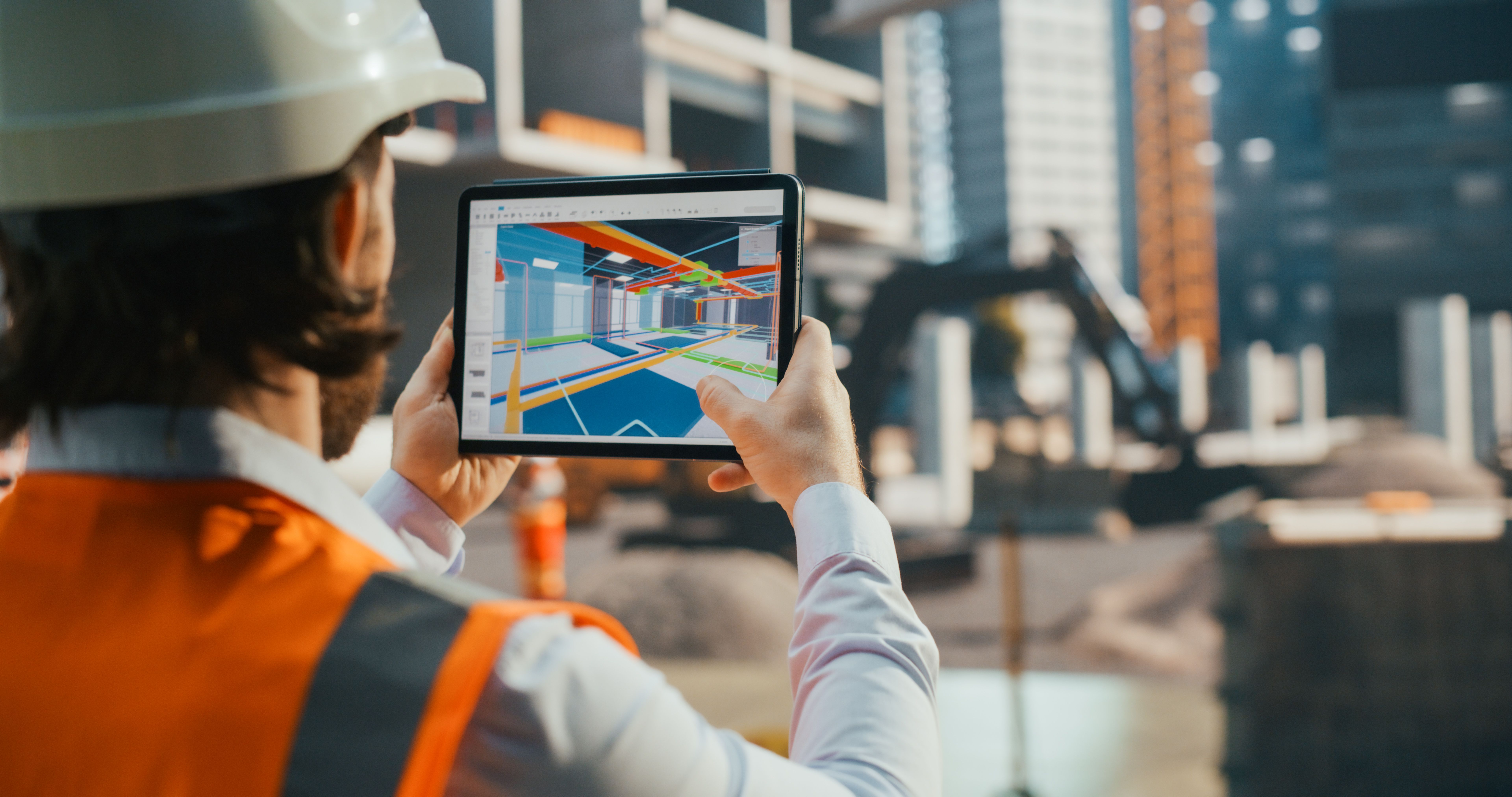
Building Information Modeling (BIM) is another trend gaining momentum. BIM is a digital representation of a building's characteristics, providing a comprehensive view of the project lifecycle. It allows for better planning, design, and management, making collaboration among stakeholders more efficient.

Advantages of BIM
- Improved Collaboration: Access to shared information enhances teamwork.
- Risk Management: Identify potential issues before they become problems.
- Sustainability: Optimize resource use and reduce waste.
Implementing Artificial Intelligence
Artificial Intelligence (AI) is revolutionizing the way contractors operate. AI-powered software can predict project outcomes, optimize schedules, and even forecast potential risks. This predictive capability helps contractors make informed decisions, ensuring projects stay on time and within budget.
AI Applications in Construction
- Predictive Analytics: Analyze data to predict future trends and outcomes.
- Automated Scheduling: Create and adjust schedules dynamically based on real-time data.
- Enhanced Safety: Use AI to identify safety hazards and enforce compliance.
Integrating IoT Devices
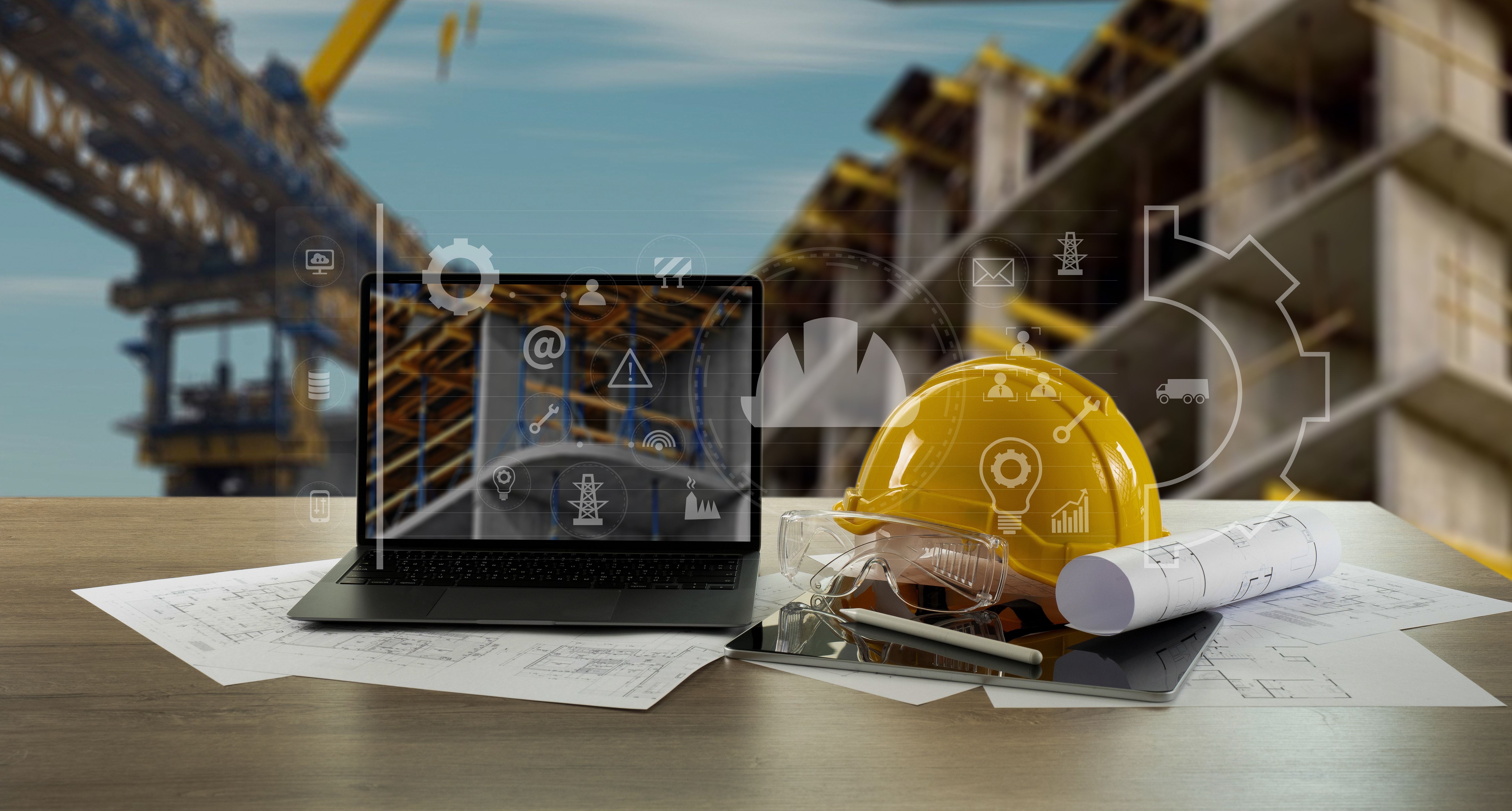
The Internet of Things (IoT) is playing a crucial role in contractor automation. IoT devices can monitor equipment health, track materials, and even control building environments. These devices provide real-time data that helps contractors optimize operations and improve resource management.
IoT Benefits
- Real-Time Monitoring: Keep track of equipment and materials at all times.
- Preventive Maintenance: Identify maintenance needs before they cause downtime.
- Energy Efficiency: Use sensors to optimize energy usage in buildings.
Conclusion
Contractor automation is not just a trend; it's a transformative force that is reshaping the construction industry. By embracing technologies like robotics, BIM, AI, and IoT, contractors can improve efficiency, reduce costs, and enhance safety. Staying ahead of these trends is essential for any contractor looking to thrive in the modern construction landscape.